What Are Fire Hydrants In Exercise

Fire hydrants are not just a device used by firefighters to put out fires, but they are also a type of exercise that can help you build strength and tone your lower body. This exercise is named after the shape of the device used to extinguish fires, which resembles the movement of the exercise.
What is a fire hydrant exercise?

The fire hydrant exercise is a bodyweight exercise that targets the glutes, hips, and thighs. The movement is similar to a dog lifting its leg on a fire hydrant, hence the name. To perform the exercise, you start on all fours, with your hands directly under your shoulders and your knees directly under your hips. From here, you lift one leg out to the side, keeping your knee bent at a 90-degree angle, like a dog lifting its leg. You then lower your leg back down and repeat the movement on the other side.
Benefits of fire hydrant exercise

Fire hydrant exercise is a great way to build strength and tone your lower body. Here are some of the benefits:
- Targets multiple muscle groups: This exercise targets the glutes, hips, and thighs, making it a great exercise to build strength in these areas.
- Improves stability: The fire hydrant exercise requires you to balance on three points of contact, which helps to improve your stability and balance.
- Improves flexibility: The movement of the fire hydrant exercise requires you to move your legs in a circular motion, which can help improve your flexibility.
- Low-impact exercise: The fire hydrant exercise is a low-impact exercise, which means it puts less stress on your joints compared to other exercises like running.
How to do fire hydrant exercise
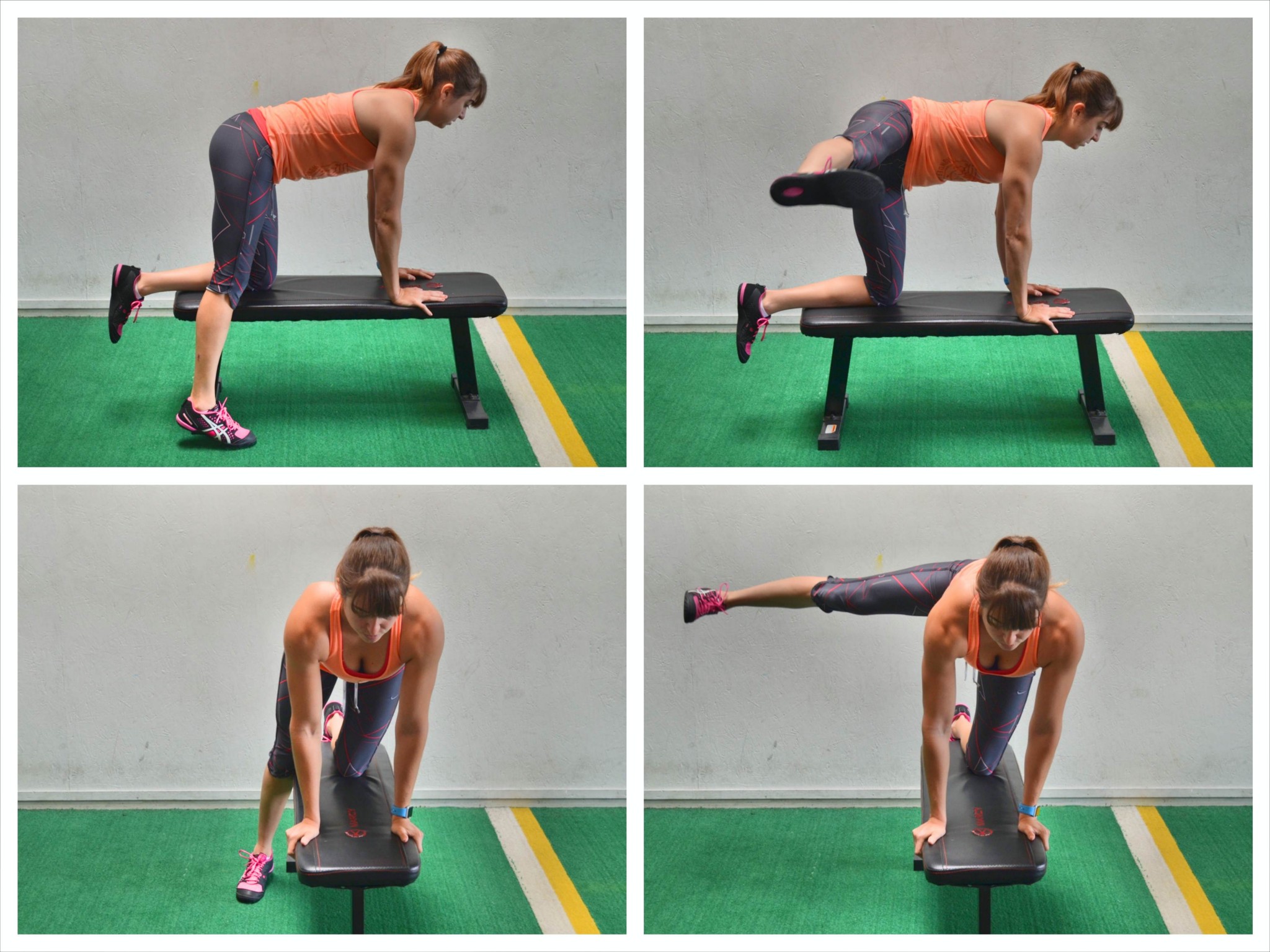
Here are the steps to perform the fire hydrant exercise:
- Start on all fours, with your hands directly under your shoulders and your knees directly under your hips.
- Lift your right leg out to the side, keeping your knee bent at a 90-degree angle.
- Pause at the top of the movement, then lower your leg back down to the starting position.
- Repeat the movement on the other leg.
- Complete 3 sets of 10-15 repetitions on each leg.
Variations of fire hydrant exercise

There are several variations of the fire hydrant exercise that you can try to mix up your workout:
- Fire hydrant kick: After lifting your leg out to the side, extend it straight back behind you, then return to the starting position.
- Weighted fire hydrant: Hold a dumbbell or kettlebell in the bend of your knee as you lift your leg out to the side.
- Fire hydrant circles: Instead of lifting your leg straight out to the side, make small circles with your knee, then reverse the direction.
Precautions when doing fire hydrant exercise

While the fire hydrant exercise is generally safe for most people, there are a few precautions you should take:
- If you have knee or hip pain, talk to your doctor or a physical therapist before doing this exercise.
- If you feel any pain or discomfort while doing the exercise, stop immediately and rest.
- If you have lower back pain or a history of lower back problems, engage your core muscles to help support your lower back during the exercise.
- Do not arch your back or round your shoulders during the exercise.
Conclusion
Fire hydrant exercise is a great way to build strength and tone your lower body. It targets multiple muscle groups, improves stability and flexibility, and is a low-impact exercise. By following the proper form and taking precautions, you can safely add this exercise to your workout routine and reap the benefits.
Related video of What Are Fire Hydrants In Exercise
How To Do A Scissor Kick

A scissor kick is a popular move in soccer, martial arts, and other sports. It is a type of kick where you jump, spread your legs apart, and then bring them back together in a scissor-like motion. This move can be used to kick the ball or to execute a move on an opponent. If you want to learn how to do a scissor kick, you're in the right place. In this article, we'll go over the steps you need to take to master this move.
Step 1: Warm Up

Before you start practicing the scissor kick, make sure you warm up properly. This will help prevent injury and ensure that your muscles are ready for the workout. Some good warm-up exercises include jogging, jumping jacks, and stretching.
Step 2: Master the Basic Jump

The scissor kick requires a lot of jumping, so it's important to master the basic jump before moving on. Start by standing with your feet shoulder-width apart and your arms at your sides. Then, bend your knees and jump up, using your arms to help propel you into the air. Land softly on the balls of your feet and repeat the jump several times.
Step 3: Practice the Scissor Motion

Once you've mastered the basic jump, it's time to practice the scissor motion. Stand with your feet together and your arms at your sides. Then, jump up and spread your legs apart, one to the front and one to the back. As you do this, swing your arms in the opposite direction, with one arm going forward and the other going back. Then, jump again and bring your legs back together while swinging your arms back to their starting position.
Step 4: Combine the Jump and Scissor Motion
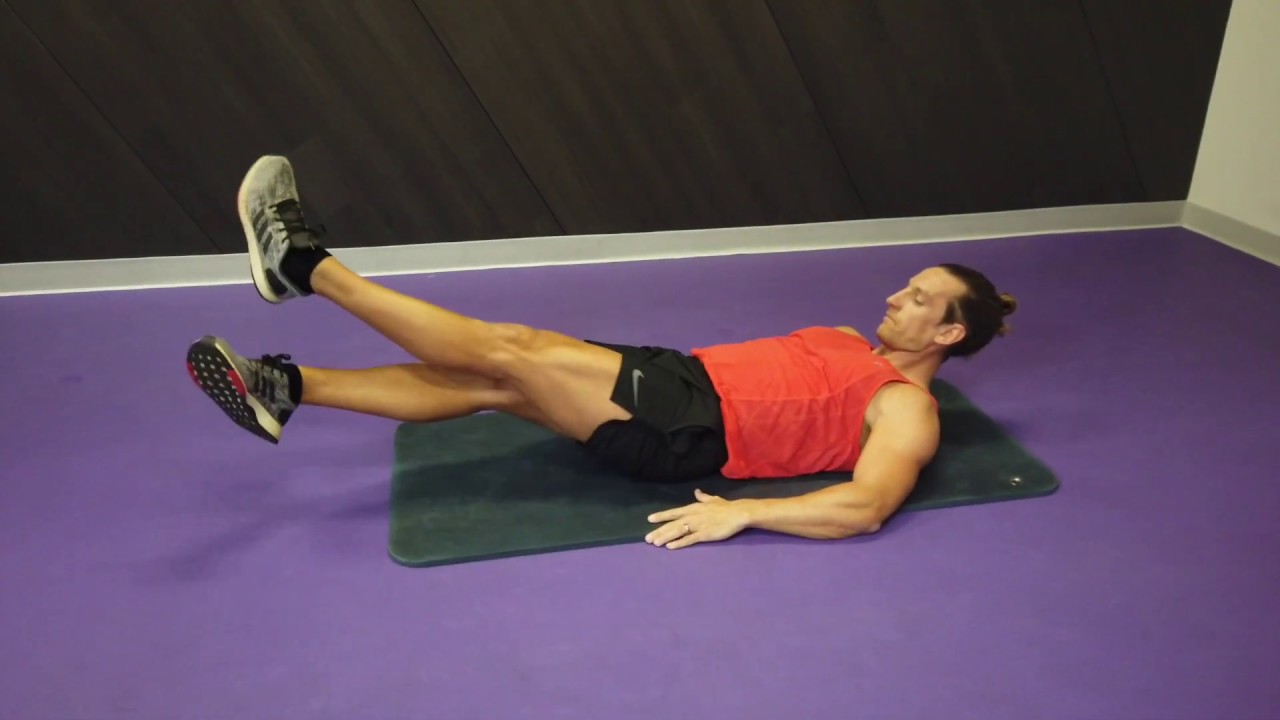
Now that you've practiced the basic jump and the scissor motion, it's time to combine the two. Start by jumping up and spreading your legs apart in the scissor motion. As you do this, swing your arms in the opposite direction. Then, jump again and bring your legs back together while swinging your arms back to their starting position. Repeat this motion several times until you feel comfortable with it.
Step 5: Add the Kick

Once you've mastered the scissor motion, it's time to add the kick. Start by jumping up and spreading your legs apart in the scissor motion. As you bring your legs back together, kick the ball with the foot that was in front. This will require some practice to get the timing right, so don't get discouraged if you don't get it on the first try.
Step 6: Practice, Practice, Practice
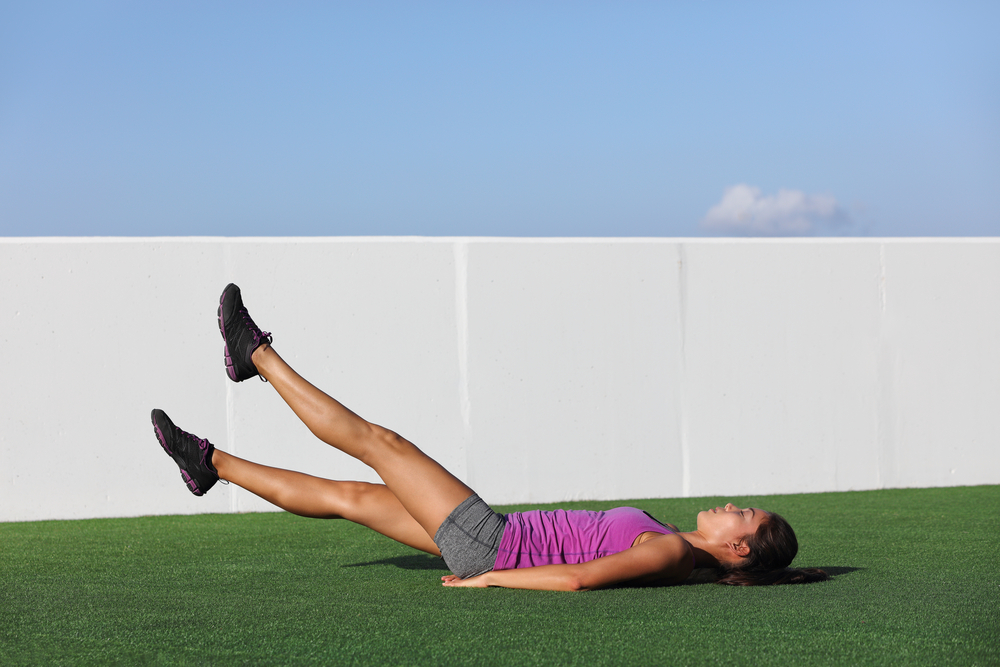
The key to mastering the scissor kick is to practice it as much as possible. Set up some cones or use a wall to practice kicking the ball back and forth. Try different variations of the scissor kick, such as the reverse scissor kick, to keep things interesting.
Step 7: Tips for Success

Here are some tips to help you succeed with the scissor kick:
- Stay focused: Concentrate on the ball and stay focused on your goal.
- Keep your eyes on the ball: This will help you make solid contact with the ball.
- Use your arms: Swing your arms to help you jump higher and control your balance.
- Practice with a partner: Have a friend or coach help you practice the scissor kick.
Conclusion
The scissor kick is a great move to have in your arsenal, whether you're playing soccer or martial arts. By following these steps and practicing consistently, you'll be able to master this move and use it to impress your opponents. Remember to warm up properly, master the basic jump, practice the scissor motion, and add the kick. With time and practice, you'll be doing scissor kicks like a pro!